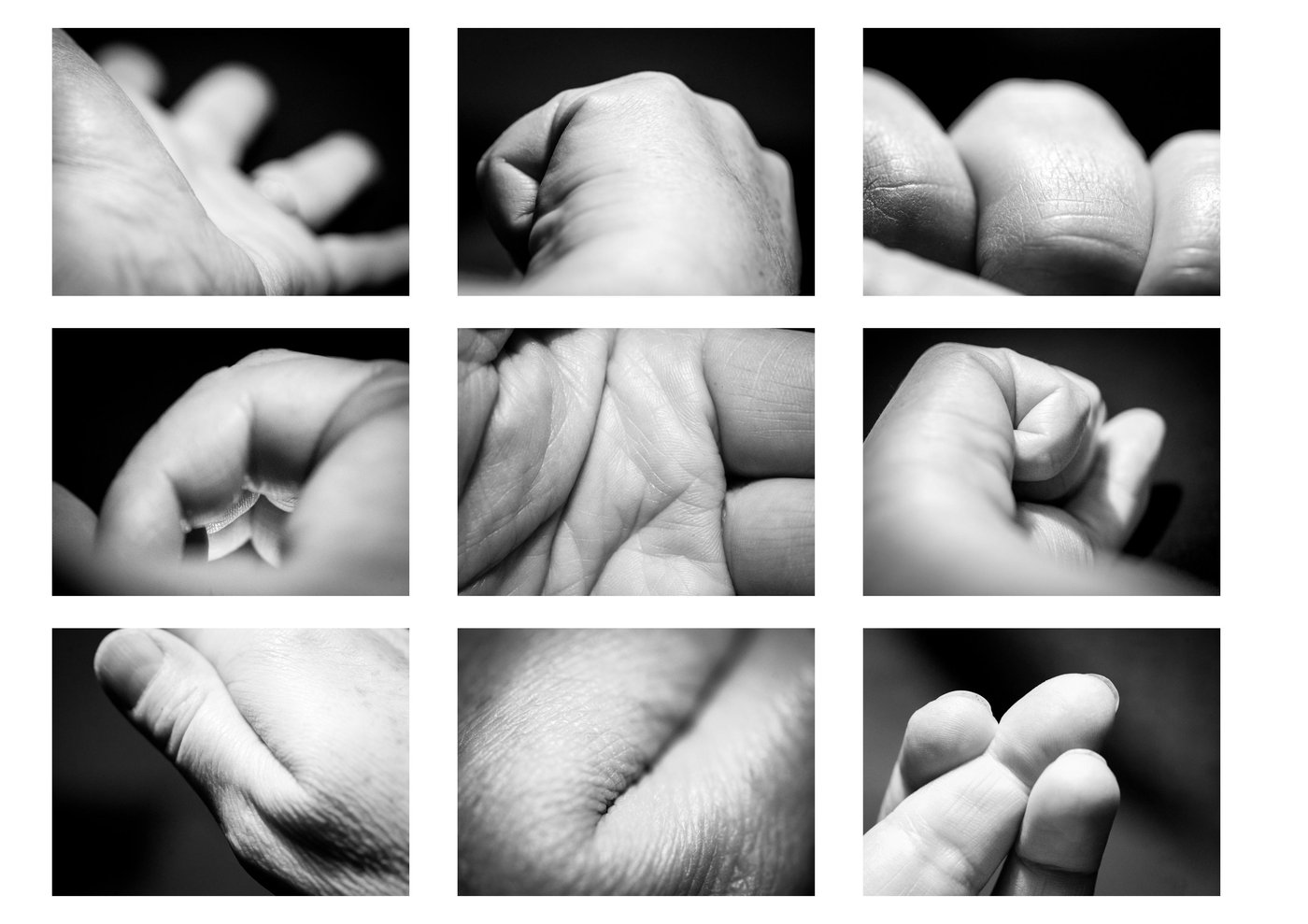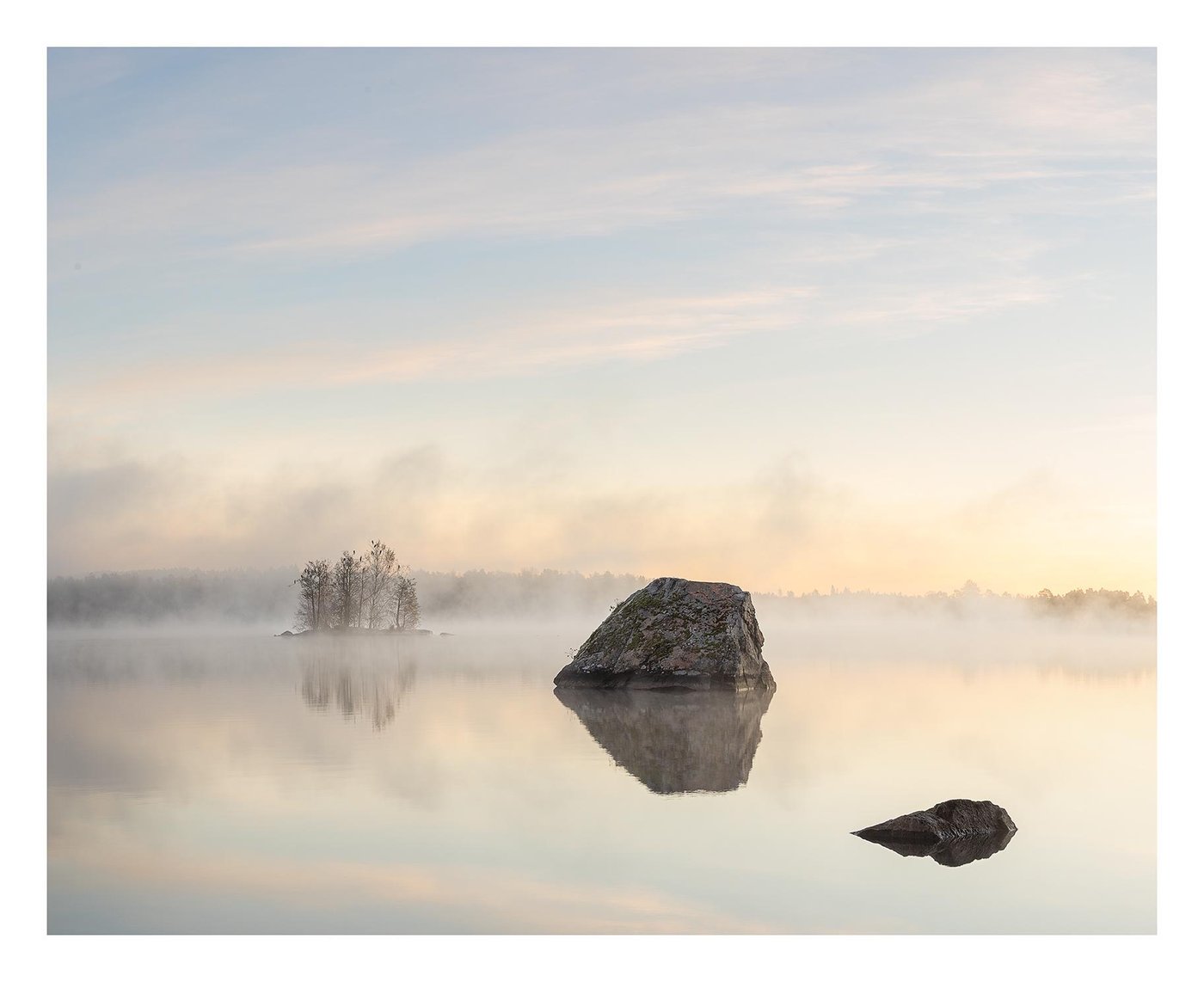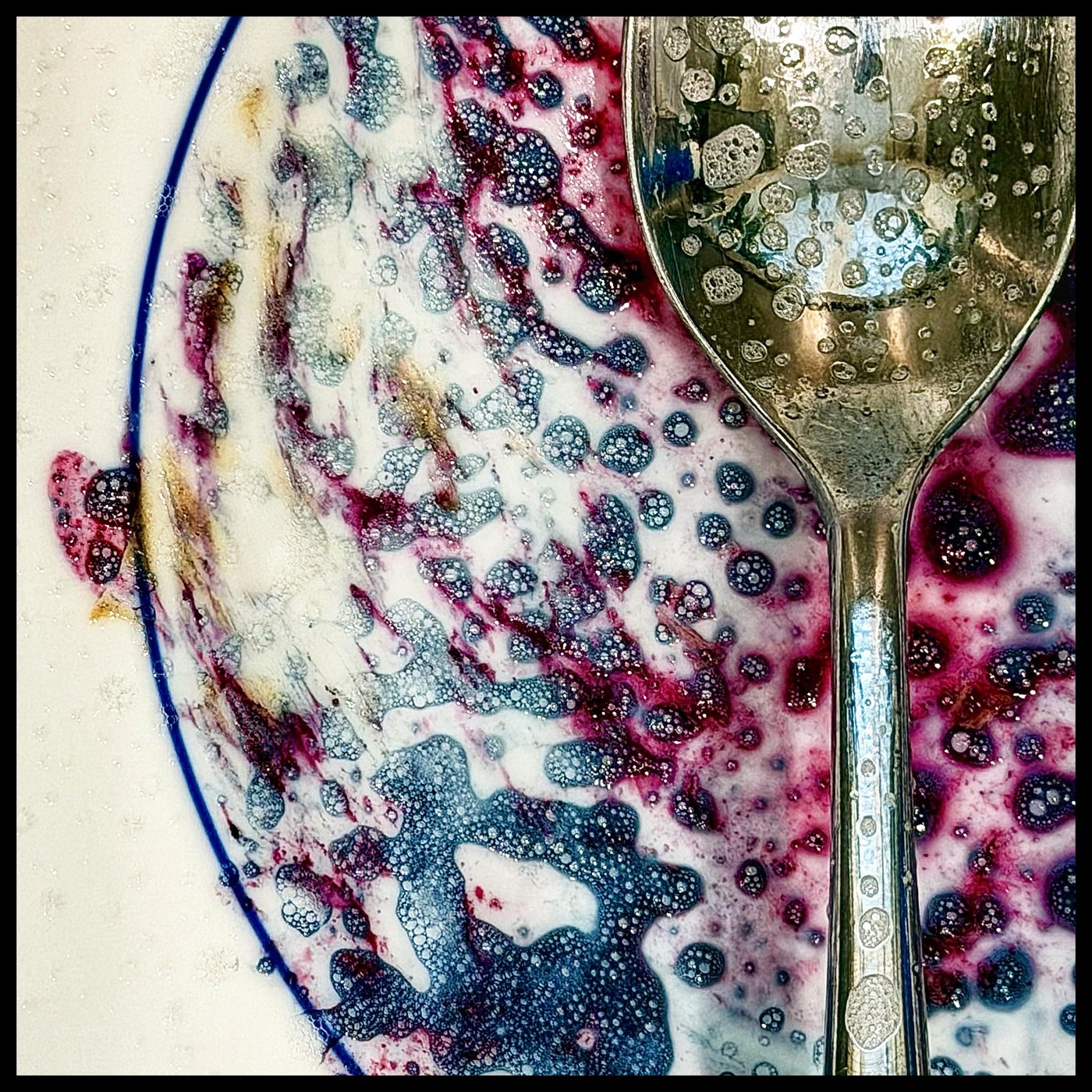
A Four-Week Cohort · Twelve Seats

Finding the Twelve

Four weeks to turn a hard drive of good-but-disconnected photographs into a sequenced body of twelve — and, in the process, to see clearly, perhaps for the first time, what your photography is actually about.

Begins
Saturday 6 June 2026
Format
Four live sessions on Zoom
Cohort
Twelve photographers
Investment
£695
Book a place → Twelve seats · Enrolment closes 17 May
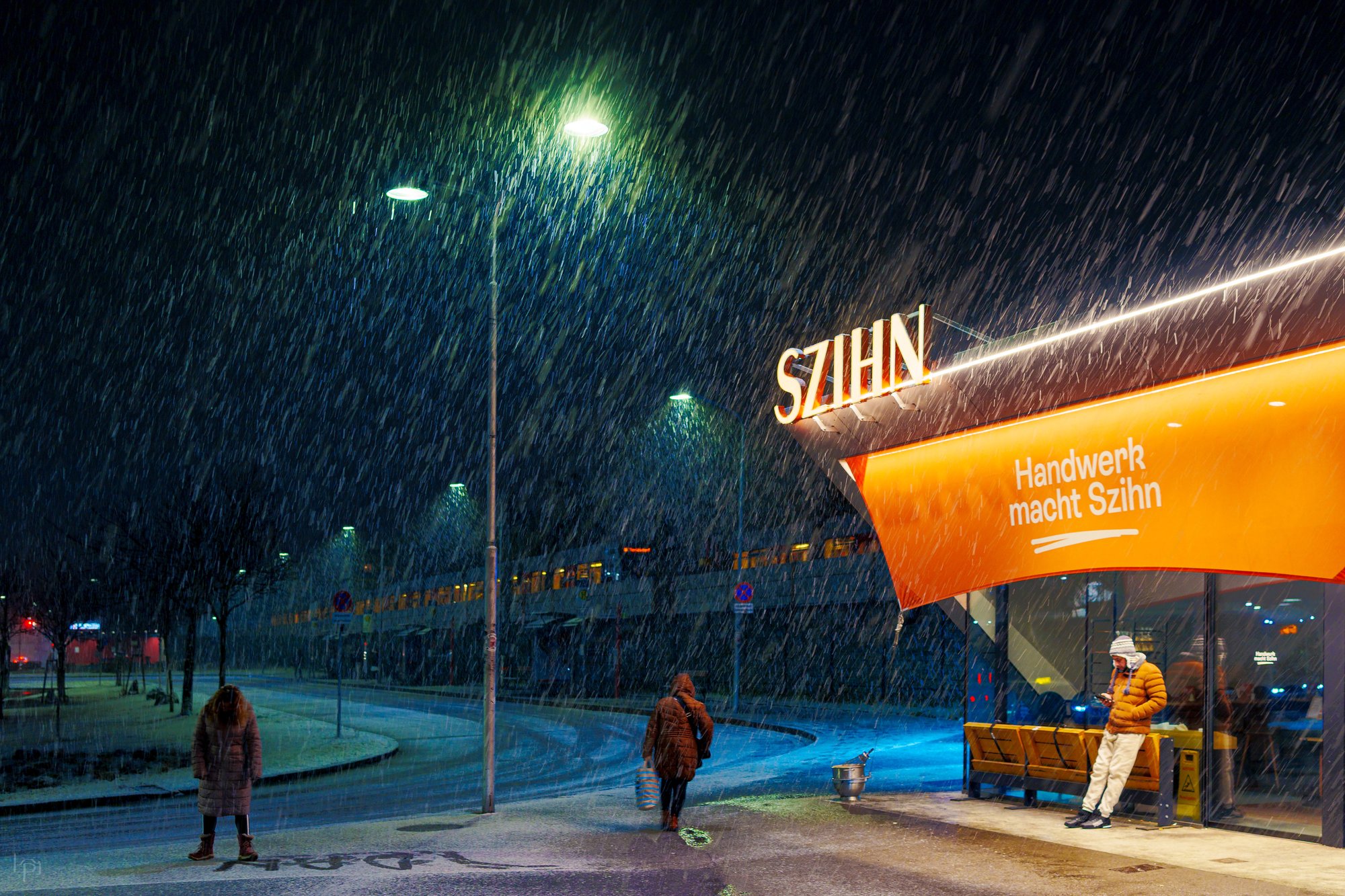
A figure walking through heavy snowfall at night, past an illuminated bus stop in Vienna
Peter L, of the TPE Tribe

You have hundreds of photographs you feel something about, and you still can't say what they're about.

You've been making pictures for years. Some of them are very good. Some you keep coming back to. But they sit on your hard drive as a collection of individually fine images that don't seem to add up to anything. When someone asks you what your photography is about, you don't quite have an answer. You can tell which ones you like. You can't tell what connects them.

This is the quiet problem most intermediate photographers don't talk about. It isn't technical. You already know how to use the camera. The thing you can't do is the thing no camera manual teaches — look at two hundred of your own photographs and see what they have been trying to tell you.

That's what this course is for.

If that sounds like the conversation you've been waiting to have —

Book a place
Why diagnosing one picture at a time doesn't work

If you've ever stared at one of your photographs trying to decide whether it's any good, you'll know how inconclusive that feels. The reason isn't that you haven't studied hard enough. It's that the answer isn't inside the picture.

A photograph's meaning — what it's doing, why it lands or doesn't — comes from its relationship to the other photographs you've made. You can't see your work clearly until you see it in bulk, with guidance, across weeks. One image is just one image. Two hundred images, sorted and re-sorted by someone who knows what to look for, will tell you something about yourself you couldn't have found alone.

And once you can see that pattern — once you've seen what you're drawn to, where your eye is strongest, what you see that other photographers walk past — you don't unsee it. You shoot differently. You edit differently. You know what to chase and what to leave alone. The twelve images are the evidence. The way of seeing is the thing you actually walk away with.

That's the transformation. And it's the reason this course runs as a cohort, with a small group, over four weeks — not as a self-paced library of videos you'd never finish.

This course helped me rediscover my love for photography. I had been feeling stuck and unsure of where to go next, but the lessons gave me the push I needed to take my work in a new direction.

— Marcus T.

Twelve seats. Beginning 6 June.

Book a place

The method

The course is structured around a specific numerical progression. Each number is deliberate. Each stage teaches a different kind of looking.

200
60
30
18
12
200
The raw material.

Enough photographs to reveal unconscious patterns. Fewer than this, and the patterns stay hidden.

60
The first intuitive cut, made one-to-one with me.

Every student gets a private thirty-minute session before the course begins. We work through your two hundred together and cut to sixty on feel alone — which of these do you feel a pull toward? We don't justify yet. We just listen.

30
The first thematic cut.

Once a working statement exists, the statement does the cutting. Some pictures survive the filter. Most don't.

18
The spine emerges.

You can now see the thread running through the work. The eighteen that remain are the ones carrying it.

12
The sequenced body.

Small enough to hold in the mind as a single object. Tight enough that every image has to earn its place next to the others.

The progression isn't just a way to sort the work you've already made. It's what changes how you make the next work. Once you can see clearly what you're drawn to — the kind of light, the kind of moment, the kind of frame that's really yours — you stop guessing when you're out with the camera. You know what you're looking for. You know which photographs in front of you are yours to make, and which ones belong to someone else. The course is retrospective for four weeks. Then it turns forward, and stays there.

Alex has helped me think about my photography and broaden my perspectives. He suggested exercises and projects to improve, and provided very helpful specific critiques.

— Robert M.

Ready to put the method to work on your own photographs?

Book a place
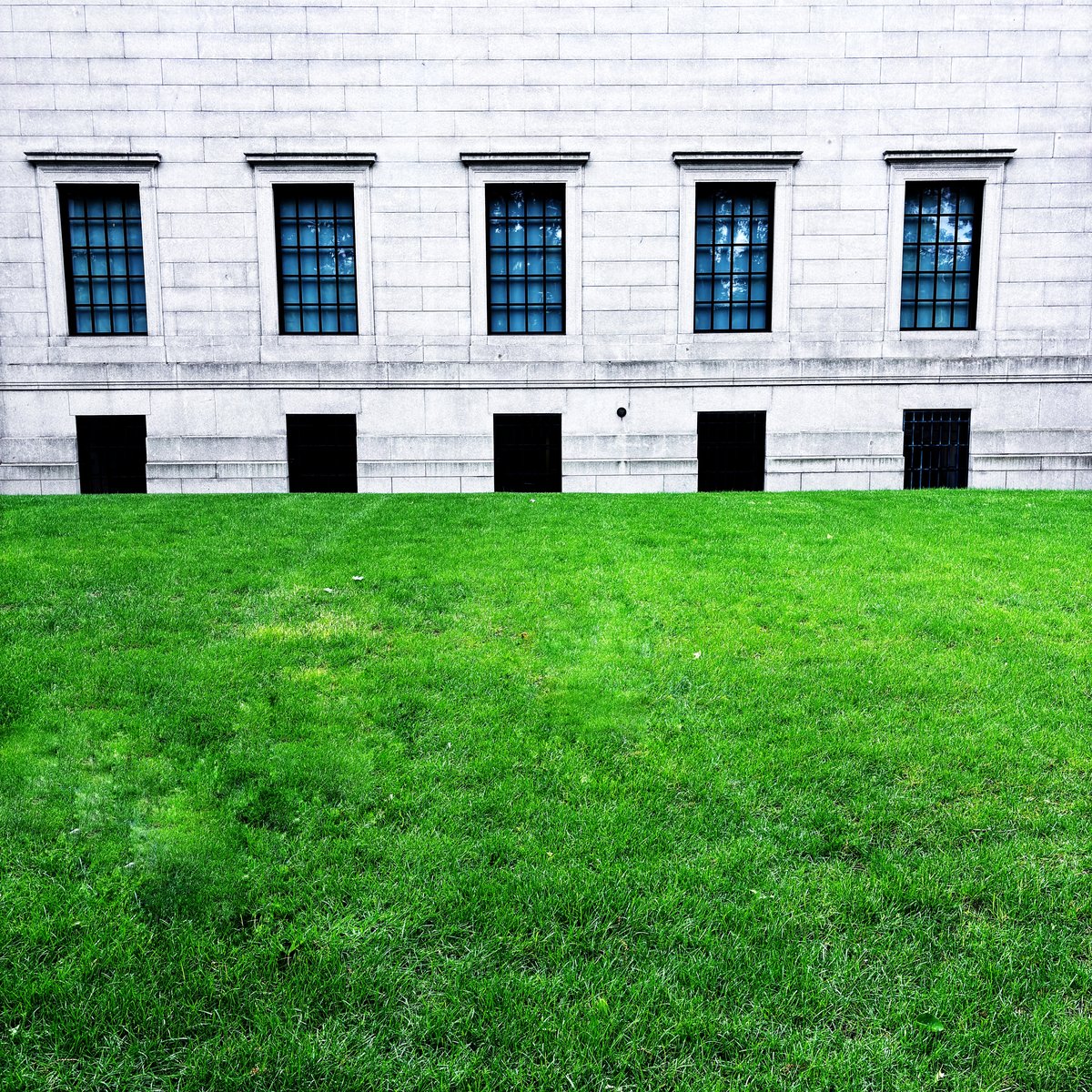
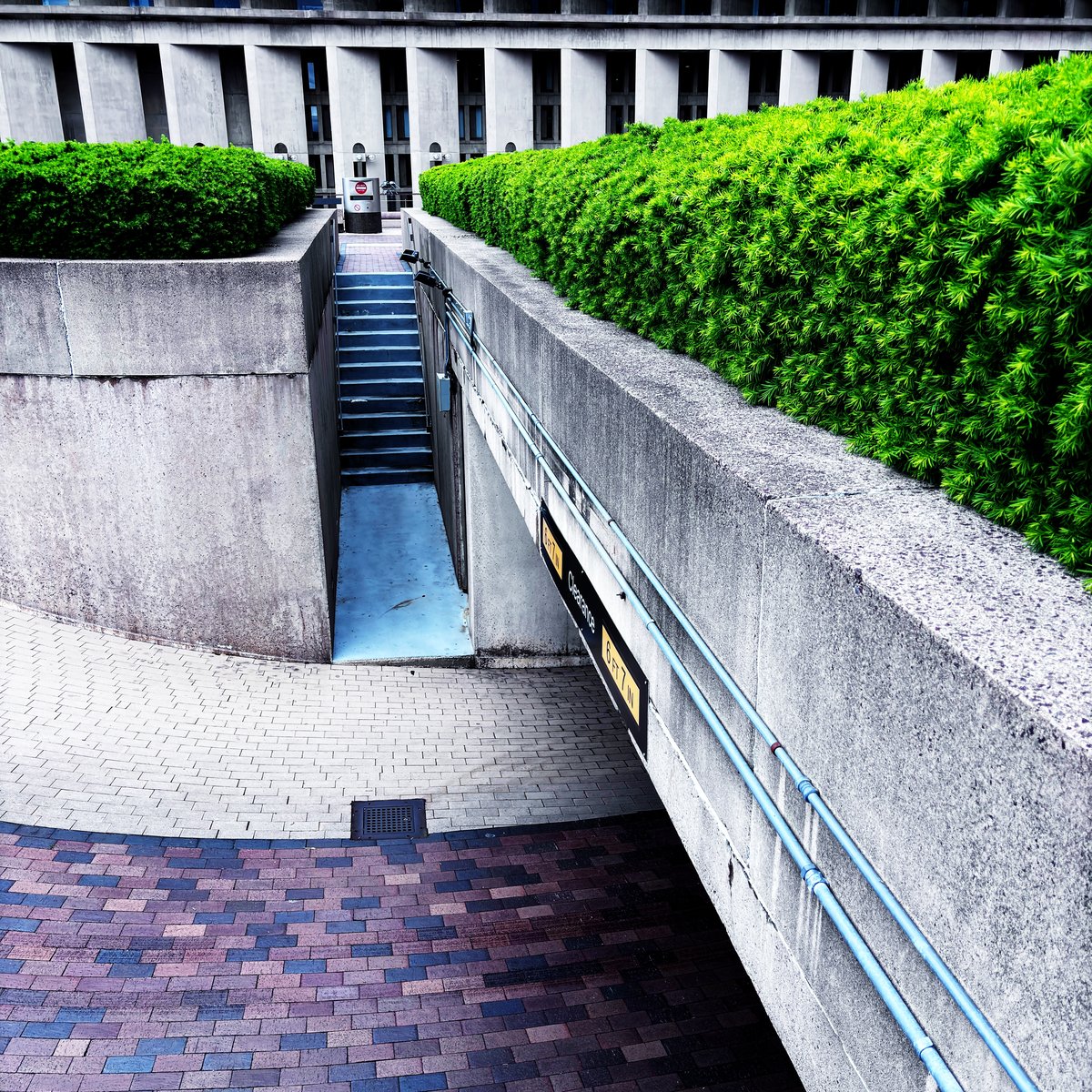
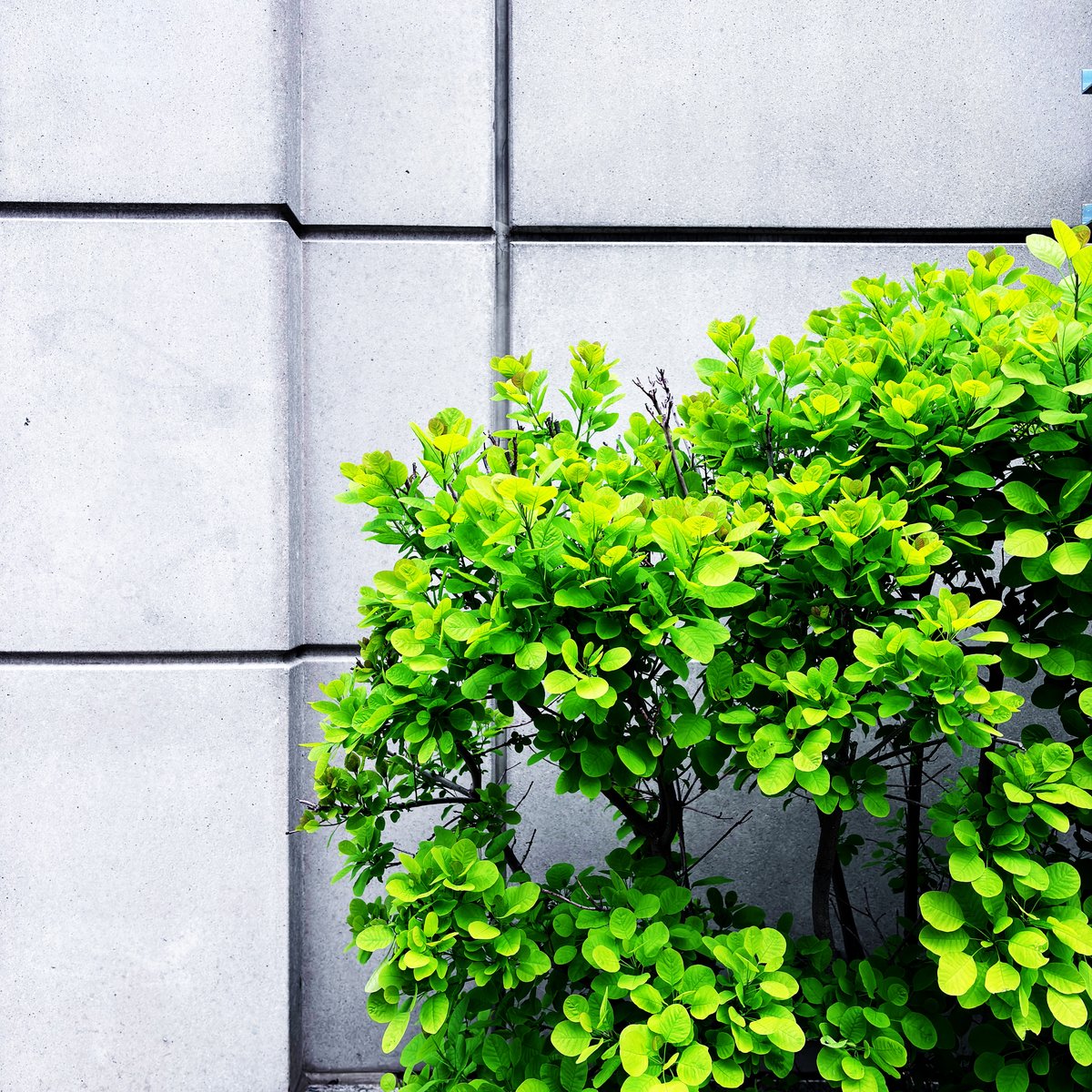
A concrete passageway with bright green hedge and brick paving Bright green foliage against a wall of large concrete blocks A grey stone building with five windows above a green lawn

Three from a body of work by Alex K. The pictures don't share a subject. They share a way of seeing.

The four weeks, described by what changes in you

Each session is two hours of teaching, working through your photographs together, and naming the patterns that surface across the cohort. What follows is what each session does for you.

Session One · 6 June

The Archaeology of Attention

You walk out understanding that the photographs you've already made contain patterns you didn't consciously choose — and that your attention has been telling you something about what you care about, all along.

We separate your subject matter (what you point the camera at) from your preoccupation (what your work is actually about). They are rarely the same thing.

Session Two · 13 June

What Keeps Coming Back

You walk out knowing that the working statement you wrote doesn't quite match your pictures yet — and you know where it's off, and how to refine it.

The statement and the images start in disagreement. The work of the session is figuring out which is closer to the truth.

Session Three · 20 June

Sequencing Is Sentence-Making

You walk out understanding that two photographs next to each other make a third meaning that neither contains alone.

The body of work is a sentence, not a list. Ordering matters, and you'll learn how to think about it.

Session Four · 28 June

The Twelve, and What Happens Next

You walk out with twelve photographs that work as a body — and you know what they're saying, and how to find the next twelve when the time comes.

The culmination. We close by talking about where the work goes next — a zine, a print, a submission, or sitting with it before the next round begins.

Four weeks. One body of work. The way of seeing it took to find it.

Book a place

How feedback actually works

Two kinds of feedback run through the course, and they work differently from each other.

Personal feedback from me, every week. Between each live session I record a 2–3 minute private Loom video for you, responding to the work you've submitted. This happens regardless of anything else. It's the most direct teaching you'll get, and it's yours.

Group sessions, with an open invitation to share. In every live session there's a protected five-minute slot for each person who'd like to put their work in front of the group. You present, I respond, the others contribute quiet observations alongside. The cap of twelve exists so this can fit properly into two hours.

If you'd rather just observe — if you're someone who prefers to absorb rather than share, or you're having a week where you don't want to be in the spotlight — that's fine. There's no pressure either way. Some people share every week. Some people share once or twice across the four. Some only watch. The course works for all of them, because the private feedback from me is the spine.

Personal coaching, in a room small enough to know everyone in it.

Book a place

What you actually take away

Twelve photographs that belong together is the visible thing. It's the artefact you can point at. It's the thing you'd show someone who asked what you've been working on.

But the real deliverable is the one you can't photograph. It's the clear sight of your own photographic identity — what you're drawn to, what you see that others don't, where your work is at its most you. That recognition doesn't fade when the course ends. It stays with you. It changes how you stand in front of a scene, what you notice, what you leave alone. It tells you which future projects will matter to you and which ones are other people's projects borrowed on.

You came in with a hard drive full of good photographs you couldn't explain. You leave knowing who you are behind the camera.

The course lasts four weeks. The way of seeing lasts the rest of your photography.

Book a place

Twelve seats. Four weeks. £695, single payment. Begins Saturday 6 June 2026.

What you get

I.
A private 30-minute 1:1 with me before the course begins.

We work through your submitted two hundred together, and make the first intuitive cut down to sixty. Hands-on coaching before the first live session.

II.
Four live two-hour sessions on Zoom.

Saturdays at 5pm UK, with one Sunday to close.

III.
A personal Loom video between each session.

Two to three minutes, individual, responding to your work that week. Private coaching, not group feedback.

IV.
A protected slot in every session if you want it.

Five minutes held for you each week. Take it or hold back as you choose — either way, nobody else gets to crowd you out of it.

V.
Access to the cohort for the duration.

Eleven other photographers working through the same process in the same month.

VI.
The method itself.

You can run the 200 → 60 → 30 → 18 → 12 progression again, on your own, on every future body of work. The course ends. The method doesn't.

The practical details

Dates
Session 1 · Saturday 6 June, 5pm UK
Session 2 · Saturday 13 June, 5pm UK
Session 3 · Saturday 20 June, 5pm UK
Session 4 · Sunday 28 June, 5pm UK Pre-course 1:1s happen between 18 May and 5 June, scheduled individually.
Format
All sessions on Zoom Recorded, so you can re-watch. Live attendance is expected.
Cohort size
Twelve photographers A structural cap. Any more and the room stops working.
Enrolment closes
Sunday 17 May, end of day Three weeks before Session 1, so the pre-course 1:1s can be scheduled properly.

The best value of any workshop I have attended. Alex gives the right amount of support, direction, and critique to each individual's work.

— Charles K.

£695

Book your place →
Twelve seats. One cohort, beginning 6 June.

Who this is for, and who it isn't

The course isn't about skill level. It's about having enough work to find a pattern in. If you've got a hard drive with a few hundred photographs you feel something about, you're the person this was designed for.

This is for you if
  • You can use your camera. You know how to expose, compose, and process a file.
  • You have a body of photographs — a few hundred you feel something about, and can't say why.
  • Your work feels like a collection rather than something that adds up.
  • You want to understand what your photography is about, not what your next lens should be.
  • You're willing to sit with your own work for four weeks.
This isn't for you if
  • You're a complete beginner. The technical ground is assumed, not taught.
  • You're here to have your individual images judged "good" or "bad."
  • You want to copy another photographer's style.
  • You want to be given assignments to go and shoot. This course is about the work you've already made.
  • You're looking for grades, certificates, or scoring.

Recognise yourself in the left-hand list?

Book a place

Photographers in the room

The cohort doesn't run in isolation. It's part of a wider community I've built over the last few years — the TPE Tribe — full of serious photographers doing real work. These are three of them.

What previous students have said

From people who've taken earlier courses and cohorts of mine over the last few years.

I met Alex when I joined his first cohort, and after a bit of time, he unlocked my photography in a creative sense in a way that had never been tapped in the previous 40+ years of my photography journey. I've been involved with photography since the 70s. If you have the opportunity to participate in his programme — join, and jump in with both feet.

— John D.

Photography has been a hobby, a part-time facet of various professions, and a learning experience since the sixties. Though I enjoy and value Alex's videos, I had reservations about joining a cohort, wondering whether I would benefit from the interaction. The experience was much more than fun — it was an exposure to many other photographers' talents, ideas, and exemplary work. Above all, the experience taught me to explore creativity and to see more in the commonplace.

— Gregory L.

This course was exactly what I needed. I've been stuck in my photography for years. It gave me some new tools to use on a deeper level, and that is what I needed.

— Maria H.

After years of not feeling excited about photography, this course has reintroduced to me the love of being behind the camera. It is more about seeing the world, not about the technical aspects of using a camera. If you need a kick in the pants to fuel your photographic creativity, this might be the course for you.

— Doug R.

Secure your seat today.

Book a place

A short conversation, if you'd like one

£695 is a real decision, and you might want to talk it through before you book. That's reasonable.

If you'd like, put fifteen minutes in my diary and we'll have a conversation. Bring whatever you want to ask — about the course, about your work, about whether the timing is right for you. There's nothing to prepare. It isn't a sales call, and there's no expectation that you'll book at the end of it. Plenty of people do. Some don't, and that's fine too.

I enjoy these calls. I'd be glad to have one with you.

Book a 15-minute call
No prep required.
Book your place · £695
Twelve seats. Enrolment closes 17 May.

You already have the photographs. You've been making them for years. What you haven't had, until now, is four weeks, a small room, and someone to help you see what you've been looking at all along.

— Alex